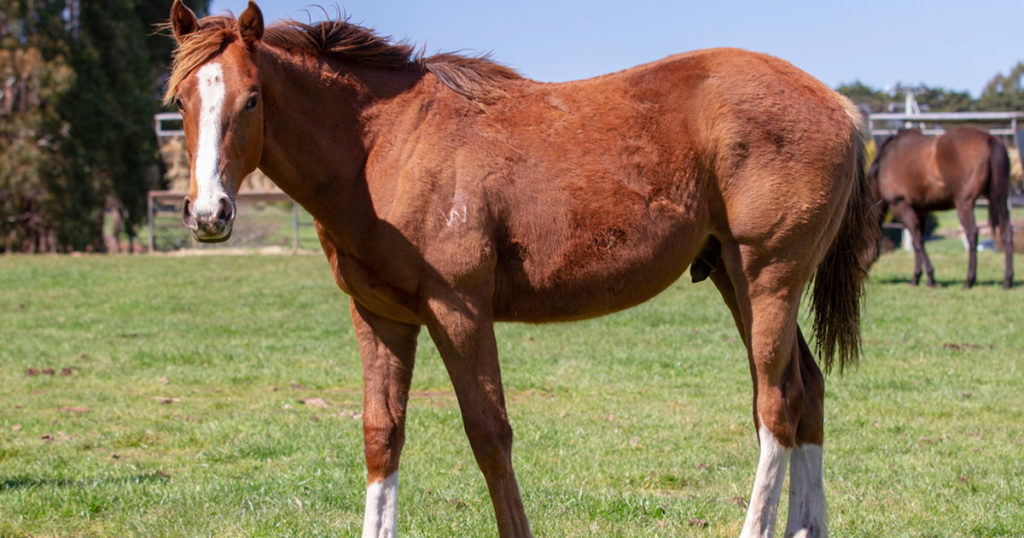
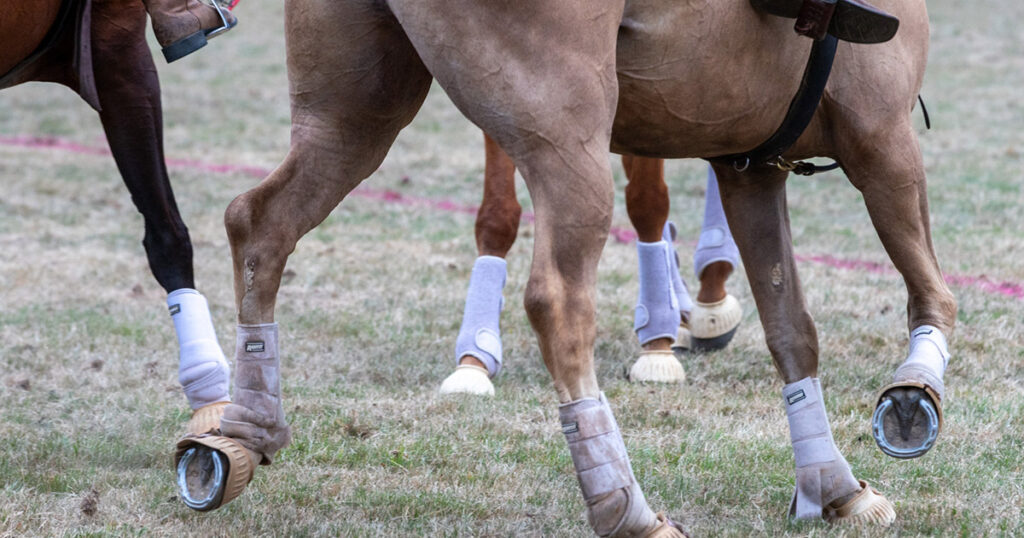
Intra-articular (joint) injections are frequently used in horses and ponies with the aim of managing pain and inflammation, particularly in conditions such as osteoarthritis. One of the most commonly used corticosteroids for joint injections is triamcinolone acetonide (routinely referred to as TA).
However, the use of intra-articular steroids come with risks to our horses and ponies. Particularly those with insulin dysregulation, insulin resistance, equine metabolic syndrome (EMS), pituitary pars intermedia dysfunction (PPID) or those who are at risk of, or have previously had laminitis.
Intra-articular corticosteroids have been shown to increase blood glucose and insulin levels and increase the risk of laminitis, particularly in susceptible horses. The risk may be further increased in horses receiving high-grain or high-starch diets.
When giving our horses any medication or supplement, whether natural or pharmaceutical, both the potential risks and benefits should be taken into account.
For the horse with osteoarthritis or any other degenerative joint disease, diet, exercise (load) management, weight and body composition should all be taken into account. Overweight horses or those with insulin resistance may be at an increased likelihood of developing osteoarthritis due to higher levels of systemic inflammation associated with excess body fat. This highlights the need to be particularly mindful of the risk in these horses and ponies if the use of corticosteroid injections are being considered.
Many nutraceutical and herbal medicine supplements can safely and significantly help horses with osteoarthritis, when selected and used appropriately.

Camilla Whishaw is a highly regarded, experienced horsewoman and naturopath, helping to holistically treat and manage a broad range of equine health conditions and injuries, with a passion for mare and stallion fertility.
As a world-renowned practitioner, presenter, author, and consultant in the field of Equine Naturopathy, Camilla shares her knowledge through keynote presentations, interviews, lectures, panel sessions, and workshop training.