It’s well known that what and how we feed our horses can significantly influence their likelihood of developing gastric ulcers. It is also appreciated that the use of medications such as non-steroidal anti-inflammatory drugs (NSAIDs), including phenylbutazone (bute, PBZ) and flunixin meglumine (Flunix, Banamine), antibiotics and corticosteroids can all increase the risk of developing gastric ulcers. As can stress, travel and intense exercise.
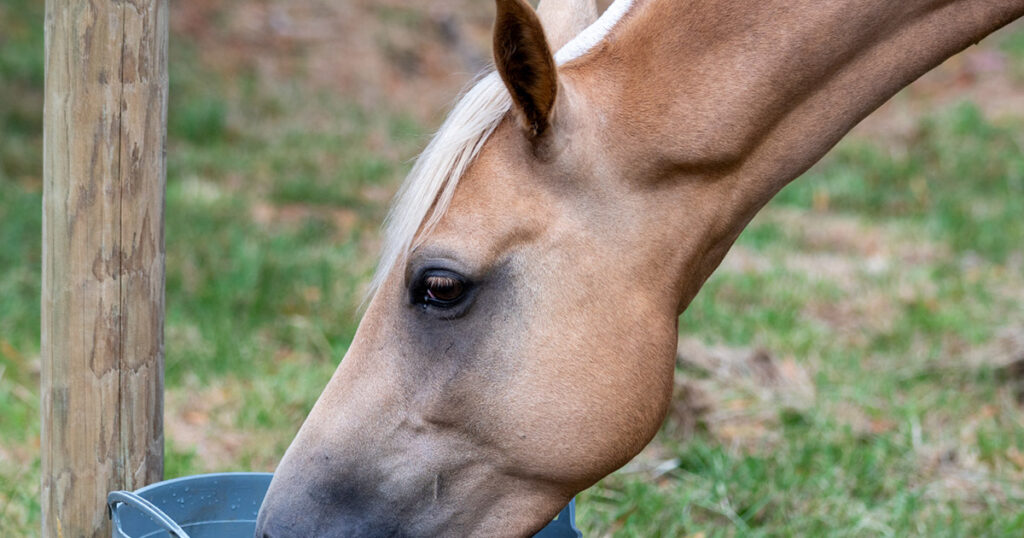
Yet one factor which is commonly overlooked is hydration in our horses. Even subtle dehydration may increase their chances of developing gastric ulcers. But why is this?
Dehydration leads to reduced saliva production in our horses and ponies. Saliva plays an important role in protecting the stomach. Saliva is alkaline and rich in bicarbonate ions. Bicarbonate helps to buffer gastric acid, especially in the squamous (non-glandular) region of the stomach.
Dehydration also results in reduced mucosal blood flow- that is, blood flow to the lining of the stomach. Compromised blood flow weakens natural mucosal defence and repair mechanisms making the stomach more susceptible to inflammation and ulceration. It’s commonly believed that horses only become dehydrated in hot weather, yet this isn’t true. Dehydration is common in very cold weather: research has shown that horses may drink less water when it is very cold. This can be compounded by a reduction of fresh pasture intake, when grass is under ice, snow or its availability is sparse.
Inadequate salt in the diet is a common cause of dehydration in our horses. As is the reliance upon the use of automatic watering troughs. Studies have shown that horses may not consume enough water due to the slow refilling time, small trough size, fear of the device, stray voltage which can give them an electric ‘shock’ when they go to drink or the unnatural drinking posture it requires.
Whilst ensuring our horses are consuming adequate water is essential to help promote proper hydration, it is vital to be aware of factors which may increase their loss of water and hint..it’s not just hot weather and sweating!
A horse who has diarrhoea or regularly has loose manure, has an increased likelihood of being dehydrated- even when their water consumption seems adequate. Medications such as furosemide (Lasix/Salix), ‘Kidney Flush’ products for horses (which are sometimes promoted as ‘urinary buffers’) and ertugliflozin (a drug which is very commonly used in cases of equine metabolic syndrome (EMS), insulin resistance (IR) and laminitis) may also cause dehydration in our horses.
From a management perspective, travelling our horses (even when the weather isn’t overly hot) and over-rugging/blanketing our horses can lead to significant fluid losses. As can diets excessively high in protein.
Being mindful of hydration, particularly in horses with loose manure or those receiving certain medications, may be another simple but important step in reducing ulcer risk. Is hydration part of your horse’s gastric health checklist?

Camilla Whishaw is a highly regarded, experienced horsewoman and naturopath, helping to holistically treat and manage a broad range of equine health conditions and injuries, with a passion for mare and stallion fertility.
As a world-renowned practitioner, presenter, author, and consultant in the field of Equine Naturopathy, Camilla shares her knowledge through keynote presentations, interviews, lectures, panel sessions, and workshop training.