
Vitamin B12 for Horses
Injectable vitamin B12 is a common treatment given to horses. One of the primary functions of vitamin B12 is to help make red blood cells, which are important to carry […]
Vitamin B12 for Horses Read More »
Injectable vitamin B12 is a common treatment given to horses. One of the primary functions of vitamin B12 is to help make red blood cells, which are important to carry […]
Vitamin B12 for Horses Read More »
Short answer: In the early morning (3AM -10AM)*. Here’s Why Several key factors influence the level of sugar in the grass our horses and ponies graze. This includes the weather,
What Is The Safest Time To Graze A Horse Or Pony At Risk Of Laminitis? Read More »
Before a breeding season gets underway, it’s worth stopping to consider the influence of various factors on a stallion’s fertility. It is well known that stress, nutrition (including both excesses
When it comes to feeding our broodmares, we are inundated with choices in terms of commercial feed mixes and concentrates. It’s common for our feed selections to be largely influenced
Coco Pops, Feeding Broodmares and Skeletal Development…What’s the Link? Read More »
We all want to help support our horse’s recovery post-exercise, a hard event or race. We want to reduce their soreness and help their muscles, tendons, ligaments and bones be
Anti-inflammatory Drugs and Recovery Read More »
SHORT MESSAGE: Adequate hay intake is essential to help prevent both gastric (stomach) and colonic (hindgut) ulcers. THE HOW:The importance of fibre (particularly long-stem fibre, such as that found in
Hay, Stomach (Gastric) & Hindgut (Colonic) Ulcers Read More »
The more time goes on, the more research is being conducted into parasitology, and the more we are learning about best practices in terms of internal parasite ‘worm’ control in
Drenching/Deworming with Panacur Read More »
Much attention is given to Equine Gastric Ulcer Syndrome (gastric ulcers) in horses and ponies: we know that they can contribute to a wide variety of signs and symptoms. We
Hindgut (Colonic) Ulcers in Horses and Ponies Read More »
We all want to do what’s best for our horses. Marketing experts employed by large brands know this. Clever product marketing targets this. That’s why it is common to find
Laminitis ‘Prevention’- But at what cost? Read More »
When we have a horse who starts to exhibit nervy, spooky or irritable behaviour then one of the first things we commonly do is look at their diet. This is
Bad Behaviour & Exclusion Diets Read More »
As we move into weaning season in the Southern Hemisphere, it’s an opportune time to give thought to the timing of routine vaccinations we give to our horses. Vaccinations for
Timing Vaccinations in Young Horses Read More »
Bad Breath in Horses The smell of our horse’s breath isn’t something we generally give much thought to. Yet if you’ve ever smelt the breath of a horse or pony
Bad Breath in Horses Read More »
Selenium is a crucial trace-mineral in the diets of our horses and ponies. It plays many key roles in the body and is particularly important in reproductive health (both mares
Selenium- Is your horse actually using the amount on the feed or supplement label? Read More »
An interesting case of a 10 year old Thoroughbred stallion who after having good fertility parameters for his initial 5 seasons at stud, had a marked drop off in fertility
An unusual case of sudden decline in sperm motility in a healthy stallion Read More »
Bone injuries are one of the biggest factors in a horse being unable to realise its full potential on the racetrack. Many factors influence bone strength and density in the
Promoting bone health and strength in the sales yearling (even after purchase!) Read More »
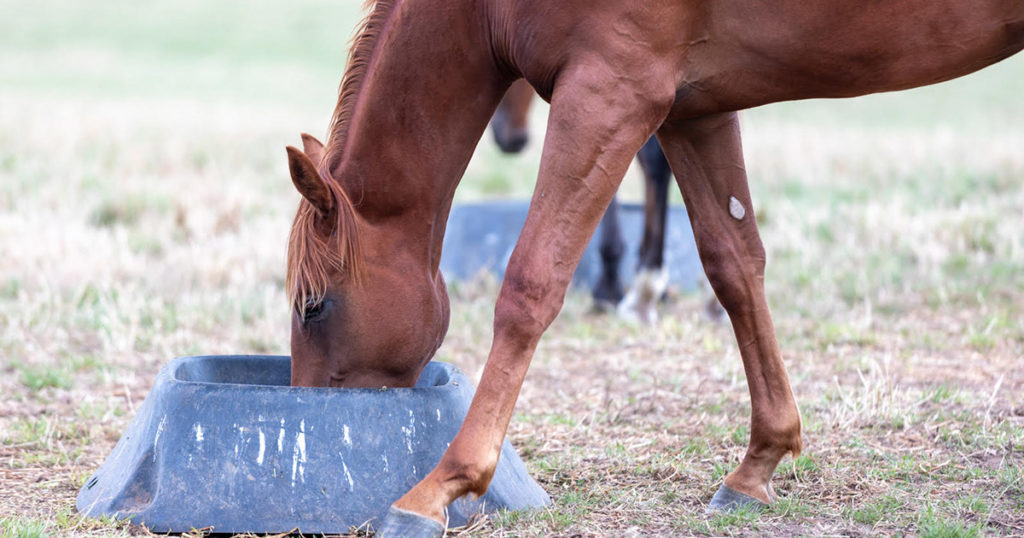
When we think of digestive health (and overall health) in our horses- we’re quick to think of the gut. Whilst some may interpret this as the stomach alone, it really
Why Basics Matter: The Importance of Chewing Read More »
Protein- it’s a most crucial component of a horse’s diet, yet is commonly blamed for causing a whole host of problems in horses: Everything from ‘hot behaviour’, to joint problems,
The Importance of Protein Read More »

One of the most significant impacts of modern domestication of horses is the profound reduction in daily physical activity. Even horses who are worked regularly and are in peak fitness
Horses are meant to MOVE. A LOT… Read More »
Poor behaviour in horses is a complex topic to say the least. Whenever a horse is acting up- many things should be taken into account before blaming the horse for
Is it Poor Behaviour or is it Pain? Read More »
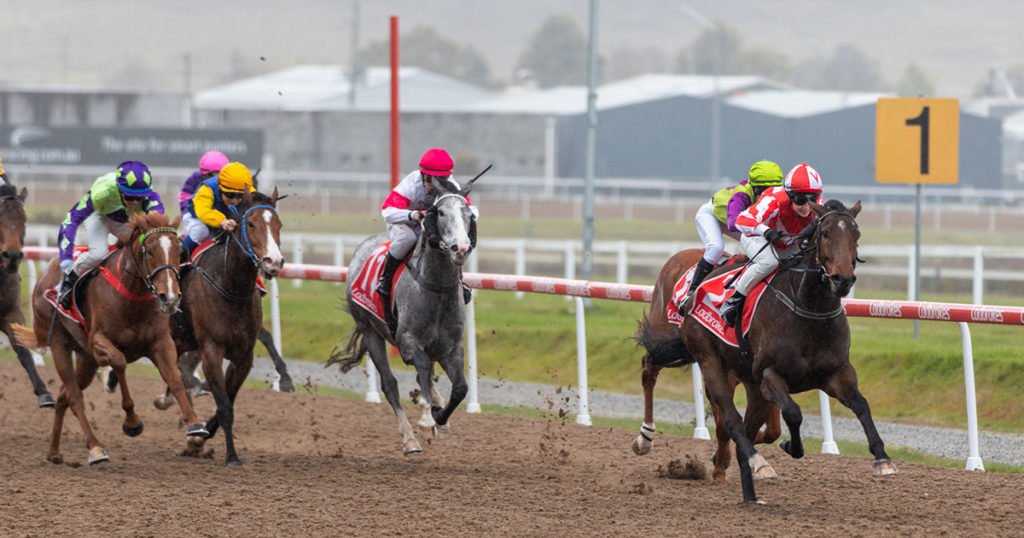
Hot, humid weather brings with it some important health considerations in relation to our horses. Heat stress is one of the most commonly recognised conditions associated with heat and humidity.
Heat, Humidity and Horses Read More »
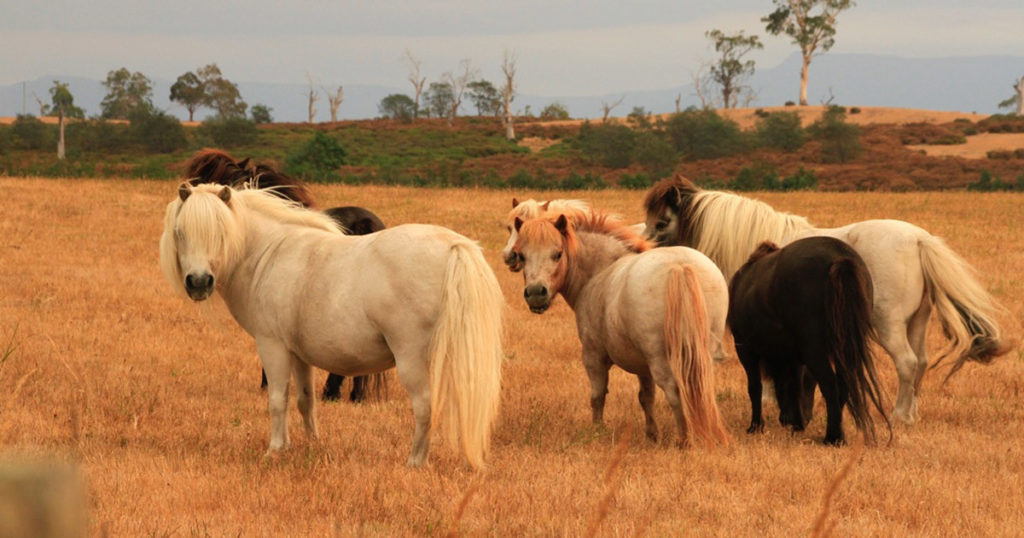
Inflammation. It’s a word commonly associated with poor health outcomes. Yet a certain amount of inflammation is absolutely crucial to health and wellbeing in our horses. Some inflammation is essential
Inflammation & Non-Steroidal Anti-Inflammatories in Horses Read More »
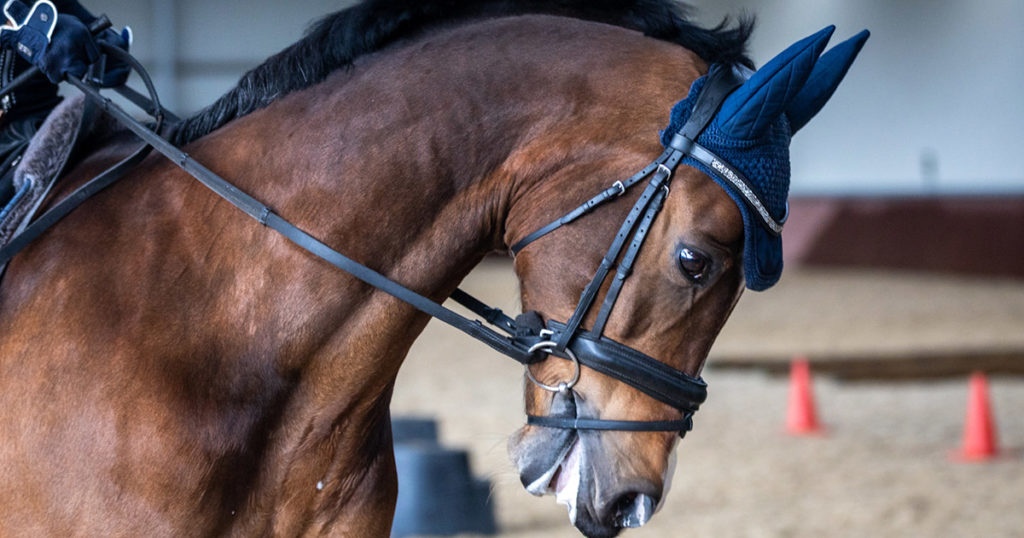
Overweight horses and ponies can pose a real challenge for owners to manage. Particularly at times of the year where there is an abundance of lush feed. It is well
Overweight horses and ponies: there’s more to the equation than just feed… Read More »
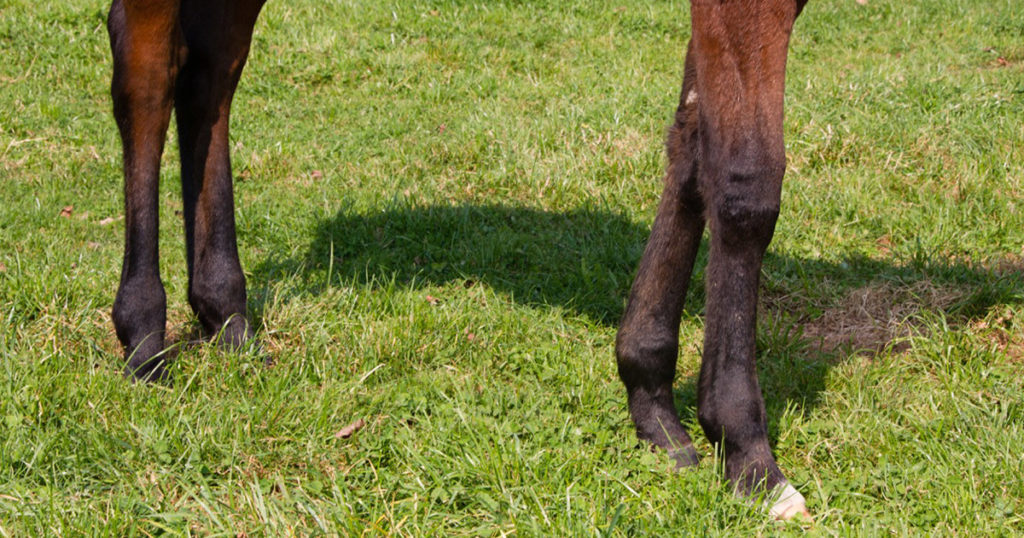
When we think of the term ‘stress’, we often think of horses that pace the fence line, shy at non-existent monsters (!), call out incessantly when their paddock mate leaves
Stress in Horses: Why it isn’t always obvious Read More »

Injecting joints in horses is a common practice. The term ‘joint injection’ can mean different things to different people. In essence, there are three common types of injectable joint therapies
Joint Injections in the Horse- Important Considerations Read More »
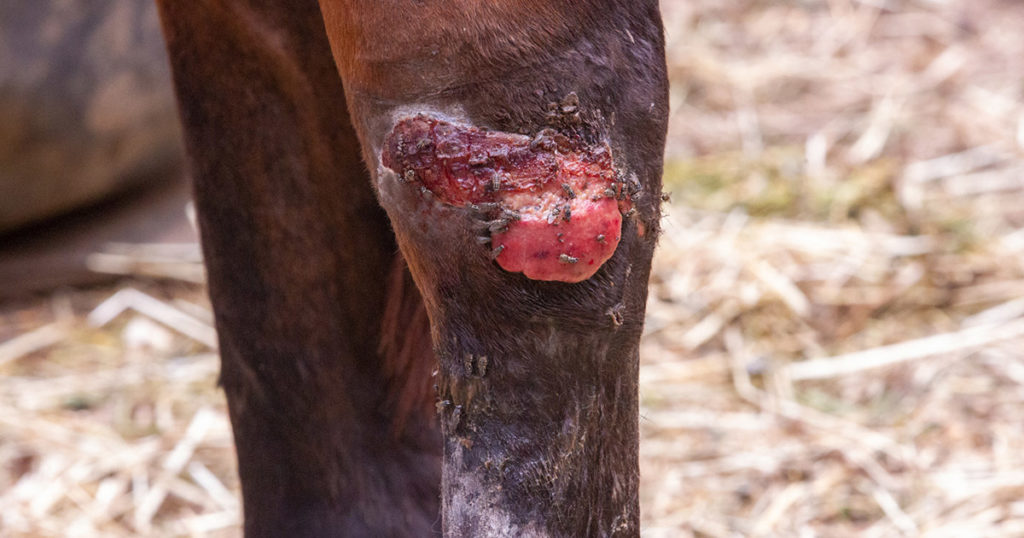
If there’s any horse feed that can cause heated debate about whether or not it is suitable and even valuable for horses- then soy may well take the cake. For
Soy: The Good, Bad and Confusing! Read More »
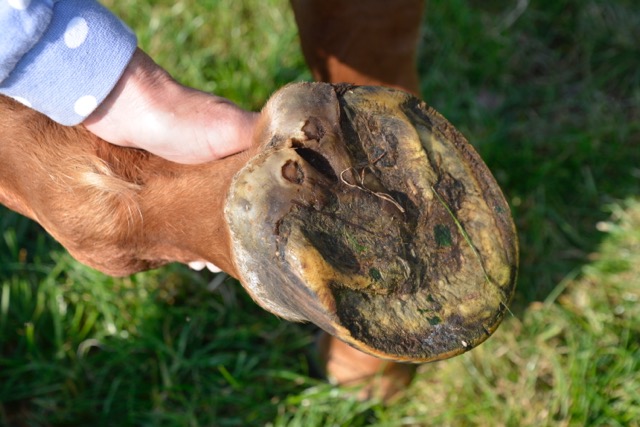
Injuries in our horses can be frustrating and upsetting occurrences- and more often than not, they tend to occur when our horses are coming along really well. Ironically, although we
Feeding The Injured Horse Read More »
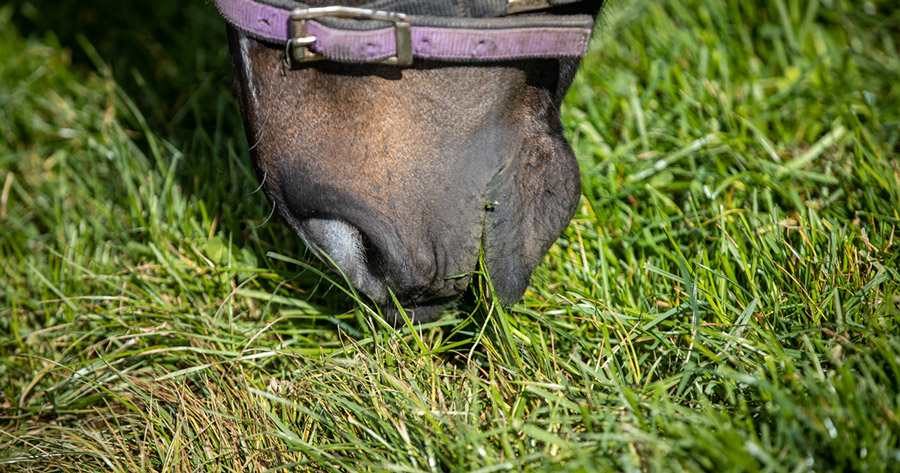
Spring is here in the Southern Hemisphere! Which means crisp nights with longer daylight hours and warmer weather. After a long, cold winter-this weather is a welcome relief. But it
Inflammatory Bowel Disease (IBD) in horses refers to a group of intestinal diseases that are caused by the infiltration of different types of inflammatory cells into the mucosal and submucosal
Inflammatory Bowel Disease in Horses: Rethinking The Use of Corticosteroids Read More »
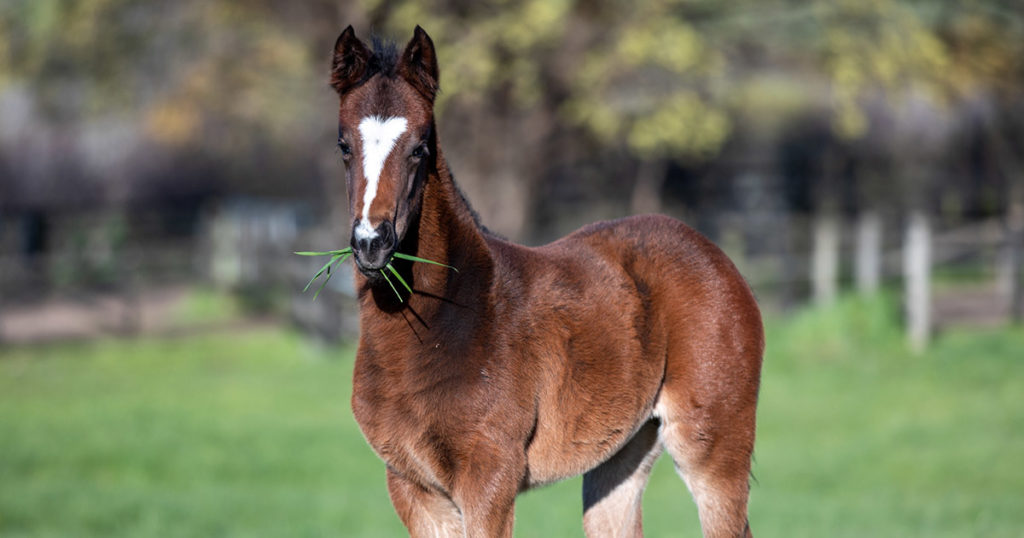
Iodine. It’s an essential trace mineral in our horse’s diets which plays many crucial roles. It is vital as a constituent of the thyroid hormones thyroxine (T4) and triiodothyronine (T3).
There’s much interest in ulcers in horses and for very good reason. Equine gastric ulcer syndrome (EGUS) affects 60-90% of adult horses and 25-50% of foals and weanlings. The condition
Ulcers in Horses: The importance of understanding how medications work Read More »
With foaling season now upon us in the Southern Hemisphere, it’s worth taking a moment to appreciate the importance of good quality colostrum. Colostrum provides antibodies (immunoglobulins), which are concentrated
Wind sucking or crib biting in horses is most likely to first occur in association with boredom and lack of forage/grazing. Most people are well aware that a diet high in
Why do horses wind suck and crib bite? Read More »
Body weight, body condition and adiposity (levels of body fat) are factors which contribute to equine health in many different ways. Similar to the human population, the percentage of equines
The Overweight Horse: An Holistic Approach Read More »
For those of you who ride mares and/or fillies you may have noticed somewhat erratic changes in her mood and behaviour during spring. The mare who was steadfast and easy
An Holistic Approach to Mare Behaviour Read More »
Lameness is one of the most common complaints in the working horse, with joint damage accounting for around 60% of these cases. Progressive damage and changes to soft tissue, cartilage
An Holistic Approach to Horse Joint Health Read More »
Do our horses really need them? Supplements. They can be a contentious topic. Yet nearly all horse owners, trainers and riders use them at some stage in one form or
Supplements: An Holistic Approach Read More »
Most of us are fortunate enough to have healthy horses, which we can often take for granted. All’s well whilst they are healthy- but when our horse is slightly off,
Essential Horse Health Basics Read More »
Tying up is a broad term used to classify a wide variety of muscle disorders which result in the dissolution of muscle cells during exercise. Technically known as ‘exertional rhabdomylosis’
The most commonly used equine ulcer medications on the market generally come under names containing Gastro/Ulcer/Guard and contain the active ingredient omeprazole, which belongs to the class of drugs known
Ulcer Medications: What Nobody Tells You and What You Need To Know Read More »
What is laminitis? Laminitis is a painful, often devastating inflammatory condition affecting the lamellar tissue of the foot. Each hoof contains 550-600 primary laminae, and each of those consists of
Laminitis: How Naturopathy Can Help Read More »
It’s a relatively common yet unfortunate occurrence, the yearling that becomes ‘very upright’ and in the latter stages ‘topples over at the knee’
Why Do Some Yearlings Become Overly Upright/Topple Forward During Sales Prep? Read More »
Sweet itch, Queensland itch, summer dermatitis, seasonal equine dermatitis, Culicoides hypersensitivity are all terms used interchangeably to describe the allergic skin reaction which occurs in many horses.
Sweet Itch: Nothing Sweet About It? Read More »
Bisphosphonates are a class of drugs which includes both tildronate and clodronate. They were approved by the U.S. Food and Drug Administration in 2014 for controlling clinical signs associated with navicular syndrome in
It’s now that time of year in the Southern Hemisphere where the yearling sales season is gearing up. Understandably, much emphasis is placed on the vendor’s side in realising maximal
Are we creating resilient racehorses or superficial sales horses? Read More »
Placentitis. It is the most common cause of late pregnancy loss in mares. It causes many a stud manager and breeder a lot of grief. It costs a lot of
Placentitis: Think about it Read More »
Forages and fibre rich foods which require much chewing, comprise the base starting point for a diet which promotes health in the horse. Chewing results in the production of saliva.
Fibre, Chewing and Gastrointestinal Health Read More »
Ammonia- the colourless gas associated with the pungent, eye watering smell when you enter some barns and when you muck out stalls- comes with some profound health effects on the
The Stabled/Stalled Horse: The Impact of Ammonia and Airway Health Read More »
Recent research has clearly demonstrated that foals born from obese mares are at much greater risk of developing osteochondrotic lesions. This is a very important consideration, given that many people
Mare Body Condition: Osteochondrosis Risk in Offspring Read More »
One of the most often talked about and popular types of supplements on the market are those used with the intention of helping to ‘calm’ the horse. The quality of
Calming Supplements: Use in the Horse Read More »
Corticosteroids, more specifically glucocorticoids, are a group of potent anti-inflammatory and
immunosuppressive drugs that are frequently used in horses.
Corticosteroids. STOP and THINK! Read More »